Minimum Order Quantity for 7OH in Canada: What Labs Should Know

On July 1, 2026, the U.S. health department publicly backed the DEA’s plan to start temporary scheduling of certain 7-OH products, and the ripple reached Canadian search bars fast. Buyers are suddenly asking how much they have to order, how little they can order, and what the rules say about both. Here’s the straight answer: a minimum order quantity (MOQ) is just the smallest order a seller will accept, and for 7OH it depends on the product form, the batch and the seller’s terms. Everything we sell is for research use only, not for human consumption.
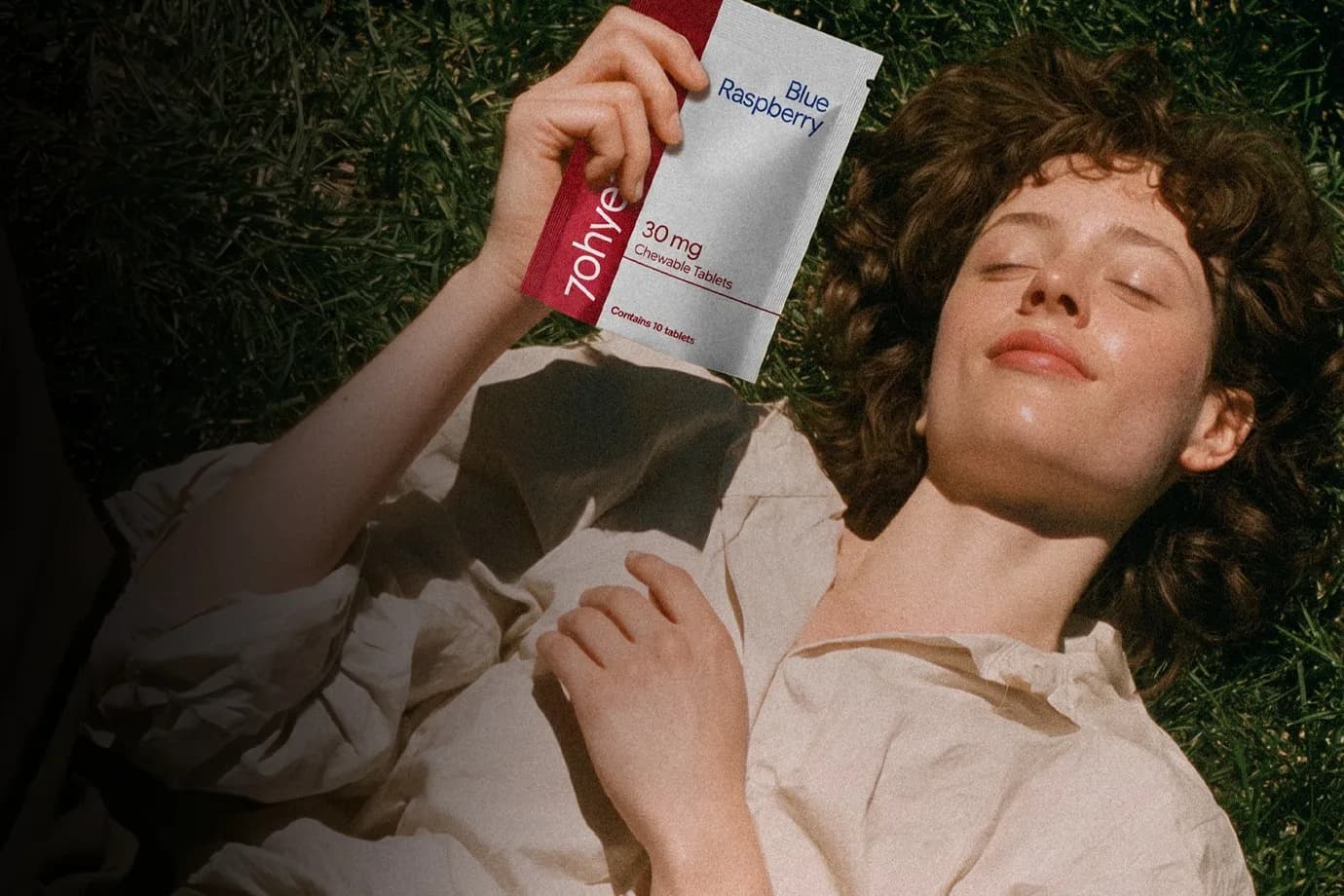
7ohyeaExplore Research-Grade 7OH7OH Canada provides research-grade 7-hydroxymitragynine tablets and powders, with customizable dosage options for analytical research protocols.
Explore 7OH productsQuick facts
- What MOQ means: the smallest amount a supplier will take per order, counted in units, cases, pallets or dollars.
- Who this is for: labs, analytical chemists and research teams in Canada. Not consumers.
- Our published prices: $6.75 CAD (43% pure mitragynine powder), $50 CAD (81% pure 7OH powder) and $48 CAD (99% pure SR17018 powder), each one-off.
- Use: research use only, not for human consumption.
- Canadian status: no federal notice we’ve seen schedules 7-OH. Rules change, so check Health Canada directly.
- U.S. status: a DEA notice of intent is out, but a final order is not confirmed in anything we reviewed.
Table of Contents
- TL;DR
- Why is everyone suddenly asking about 7OH order sizes?
- What does minimum order quantity actually mean?
- What changes a 7OH minimum order?
- What did the headlines get wrong?
- What’s the legal picture in Canada?
- And in the United States?
- What should a lab check before choosing a quantity?
- Perspective: why we think documentation beats volume
- Ready to order for your lab?
- What this means for readers
- FAQ
- Sources
TL;DR
- An MOQ is about quantity (units, cases, pallets), while a minimum spend is a separate rule. Sellers can use either, or both.
- For 7OH, form (tablet or powder), purity, batch size and custom specs are the usual levers that move a minimum.
- Canadian rules treat large commercial shipments differently from small ones, so bulk lab orders deserve a paperwork check.
- Before you commit to any quantity, read the batch certificate of analysis and confirm what the lot actually contains.
- The U.S. is moving toward scheduling 7-OH above a threshold. Nothing there is final in what we reviewed.
Why is everyone suddenly asking about 7OH order sizes?
Because the ground is shifting. In the U.S., HHS and FDA said on July 1, 2026 that they commended the DEA for issuing two notices of intent to begin temporary scheduling of certain kratom-related substances. The HHS release says the plan would place 7-OH above a certain threshold in Schedule I, and that it doesn’t aim at the kratom leaf itself.
When a market sees a notice like that, buyers think about supply. Some want to lock in quantity. Others want to order less, to avoid holding stock they can’t use. Both groups end up typing the same thing into Google: what’s the minimum?
That’s a fair question. It’s also one that online chatter answers badly.
What does minimum order quantity actually mean?
It means the smallest order a supplier will accept. That’s it.
But the unit changes from seller to seller. One Canadian business guide explains that MOQs can be unit-based or value-based, and that suppliers sometimes add rules such as multiples of a case size or a minimum per product variant. A Canadian wholesale help page adds that MOQ can be counted in units, cases, pallets or a currency value, and that the listing tells you which one applies.
There’s also a terminology wrinkle. A glossary on inventory management points out that MOQ is about quantity, not price. A price floor is a minimum purchase, and a floor per item is a minimum per product. Sellers can use one, two or all three.
| Term | What it limits | Example in plain words |
|---|---|---|
| Minimum order quantity | Number of units | You must order at least a set count of units |
| Minimum purchase | Order value | Your cart must reach a set dollar amount |
| Minimum per product | Units of each item | Each product line has its own floor |
The worked math is simple. If a seller prices a unit at 20 cents and sets a 1,000-unit MOQ, the minimum spend works out to $200. Swap in your own unit price and count, and you’ve got your commitment.
What changes a 7OH minimum order?
No official body sets a standard 7OH MOQ. It’s a business decision by each seller, which is why you’ll see so many different answers online. In our experience working with analytical buyers, these are the levers that usually matter.
Product form: tablets or powder?
Tablets are counted in pieces. Powders are counted by weight or by container. That alone changes how a minimum is written, so compare like with like before you judge a price.
Purity and grade
A higher-purity material takes more work to produce and test. A 99% pure reference powder and a 43% pure full spectrum powder aren’t the same product, so they may carry different floors and different prices. Our current published prices run from $6.75 CAD for the 43% pure mitragynine powder to $50 CAD for the 81% pure 7OH powder and $48 CAD for the 99% pure SR17018 powder.
Batch size
A lot is made in a set run. If a batch is small, a seller may prefer larger, fewer orders so one batch isn’t split across dozens of buyers. If you need everything from one lot for a single study, say so up front.
Custom specifications
We offer customizable options for research protocols. Custom work often comes with its own minimum, because a special run costs the same to set up whether it’s small or large. Teams with a defined protocol should ask early rather than late.
Shipping and paperwork
A domestic shipment inside Canada avoids border fees, which is part of why we source and manufacture here. That’s our own positioning, and it does simplify the math: your total commitment is the product cost plus shipping, with no customs line.
If you’re planning a team-sized purchase, our guide to bulk 7-hydroxymitragynine purchasing for Canadian labs walks through how research groups usually think about quantity. And if you want the price side first, our lab buyer’s guide to 7-hydroxymitragynine cost covers that.
What did the headlines get wrong?
Three things keep getting tangled. Let’s sort them out.
Myth: Buying more is always the smarter move. Fact: Bulk can make sense for a lab with a steady protocol. But a big order only helps if you can store and document it properly. Panic buying isn’t a research plan.
Myth: 7OH and kratom are the same thing. Fact: They’re related, not identical. 7-hydroxymitragynine is a minor alkaloid (a naturally occurring plant compound) found in small amounts in kratom. The WHO’s drug dependence committee found in October 2021 that evidence wasn’t enough to recommend a critical review of kratom, mitragynine or 7-hydroxymitragynine, and asked for them to be kept under surveillance. For the lab-side differences, see our piece on mitragynine versus 7-hydroxymitragynine.
Myth: A U.S. notice is a Canadian law. Fact: It isn’t. A DEA notice of intent applies in the United States. It tells you where the debate is heading, not what Canadian law says today.

What’s the legal picture in Canada?
Canada first, since that’s where you’re buying and shipping.
We haven’t seen a federal notice that specifically schedules 7-OH. Canadian retail guides to kratom rules report that Health Canada hasn’t authorized kratom as a natural health product, food or therapeutic substance, and that the Controlled Drugs and Substances Act doesn’t list kratom or its alkaloids. Another Canadian guide says concentrated or semi-synthetic 7-OH extracts are treated as a separate category that draws more scrutiny than leaf material. Those are secondary descriptions, not legal rulings, so treat them as a prompt to check the primary sources.
Shipment size matters too. The Canada Border Services Agency’s memorandum D19-9-1 says commercial importation of health products requires the importer to hold an establishment or operating licence, and that shipments over a 90-day supply are generally treated as commercial imports. That memo is about health products at the border. Whether your research material falls under it is a question for a qualified Canadian lawyer or the CBSA, not for a blog post.
This isn’t legal advice, and we won’t predict where Canadian regulators go next. Nobody can say that as fact.
And in the United States?
The U.S. is the faster-moving story. According to the HHS and FDA release of July 1, 2026, the DEA issued two notices of intent. After comments are considered and at least 30 days pass from publication, the Attorney General may issue a temporary scheduling order placing 7-OH above a certain threshold in Schedule I.
That’s “may,” not “has.” We haven’t confirmed a final order in the sources we reviewed, so check the Federal Register for the current status before you rely on anything you read here.
One more point worth noting for Canadians: the HHS release says the plan isn’t meant to capture the natural kratom leaf. The target is concentrated 7-OH above a threshold.

What should a lab check before choosing a quantity?
The number on the cart matters less than what’s behind it. Before you pick a quantity, look for:
- A batch-specific certificate of analysis (COA). That’s a lab report for one production lot, showing identity and purity. Make sure the lot number on the document matches the lot you receive.
- The testing method. A good report says how purity was measured, not just a percentage.
- Purity stated per lot. The figure should be tied to that batch, not a generic product claim.
- Storage and handling notes. If you’re ordering larger amounts, you need a plan for where it lives and who has access.
- Labelling. Material should be clearly marked as for research use only, not for human consumption.
- Lot consistency. If your study runs for months, ask whether later orders can come from the same lot.
On the analytical side, researchers are already tightening up. A 2026 academic review of semi-synthetic 7-hydroxymitragynine products recommends that forensic toxicology labs add 7-hydroxymitragynine to their LC-MS/MS screening panels using validated methods. That’s a sign the analytical community wants better data, and better data starts with well-documented reference material.
New to the compound? Our complete research guide to 7-hydroxymitragynine for Canada is the place to start.
Perspective: why we think documentation beats volume
We’ll say it plainly: the smartest 7OH buyers right now aren’t the ones ordering the most. They’re the ones asking the best questions.
Every headline about scheduling pushes people toward stockpiling. We think that’s backwards for a lab. A research team needs consistent material, a batch-specific certificate of analysis and a supplier it can reach when a question comes up. A bigger box doesn’t give you any of that.
That’s why we built our offer around domestic Canadian sourcing and manufacturing. Shorter shipping and no border fees make your total cost easier to predict, and a clear COA per batch makes your records easier to defend. We also offer customizable options, so a team can match the material to its protocol instead of the other way around.
Our products are for research use only and not for human consumption. We built the business for labs, and we’d rather you order what your protocol needs than what a news cycle tells you to fear.
John
Ready to order for your lab?
If you’ve settled on a form and purity, our shop carries research-grade tablets and powders, including the 81% pure 7OH powder at $50 CAD one-off and the 99% pure SR17018 powder at $48 CAD one-off. Prices are as published on our site, and all items are for laboratory use only.
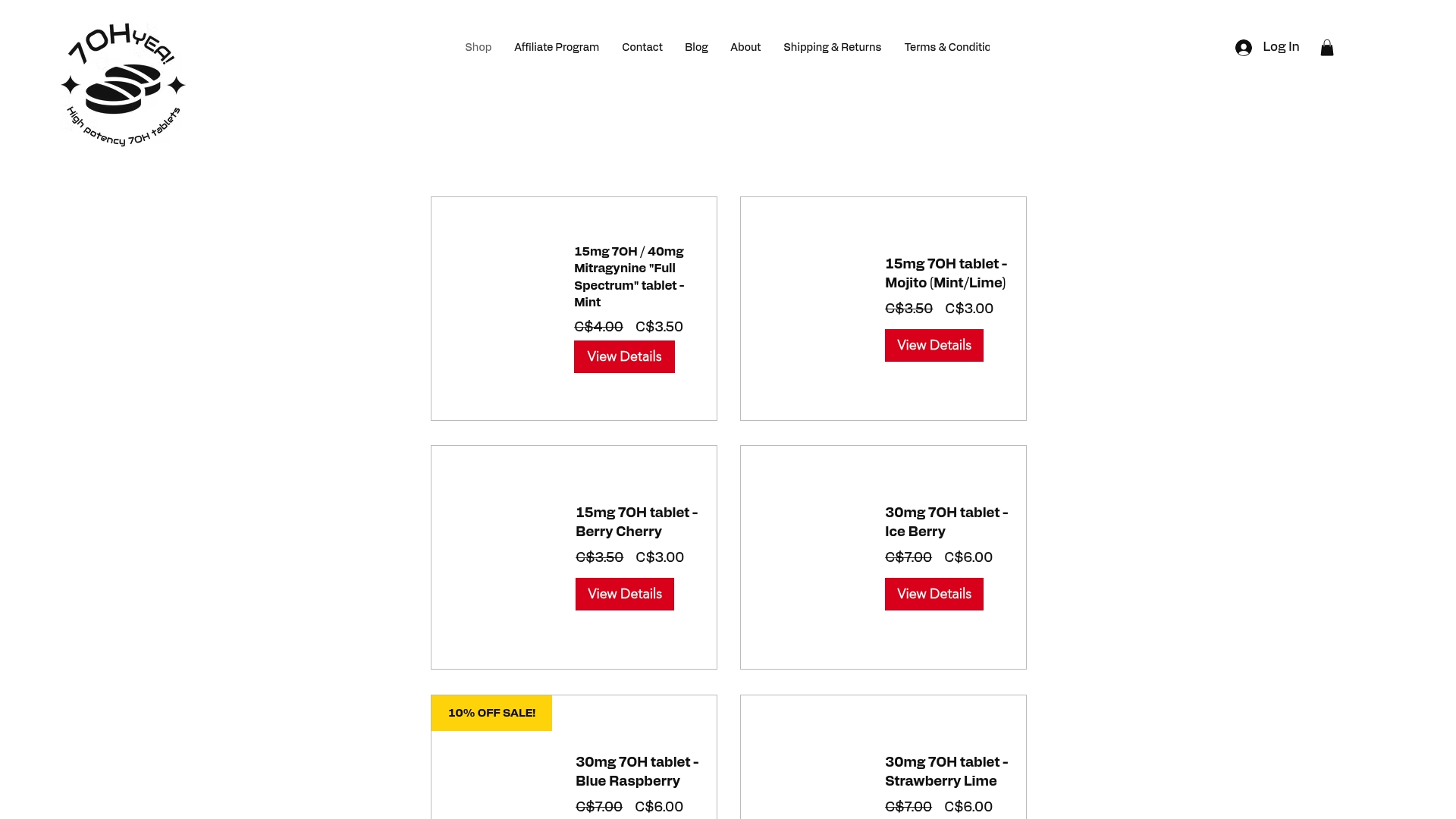
For tablets, powders and the rest of the range, head to 7OHyea. Larger team orders can start from our bulk purchasing guide.
What this means for readers
- If you’re a lab buyer in Canada: the minimum you need is the one your protocol justifies. Write down the quantity, the form and the purity first, then compare sellers.
- If you’re reading U.S. headlines: a notice of intent isn’t a final order, and it isn’t Canadian law. Check primary sources before you change plans.
- If you’re sizing a bulk order: ask about the lot, the COA and the shipping terms before the price per unit.
- If you’re unsure about the rules: talk to a Canadian lawyer or contact the CBSA or Health Canada. We can’t give legal advice.
- Reminder: our products are for research use only, not for human consumption.
FAQ
Is there a standard minimum order quantity for 7OH?
No. No regulator or industry body sets one. Each seller decides, and it can be counted in units, weight, cases or dollars. Check the product page and the order terms for the unit that applies.
Is a minimum order quantity the same as a minimum spend?
Not quite. MOQ limits the number of units, while a minimum purchase limits the dollar value of the order. A seller can apply either one or both, so read the terms before you build a cart.
Does ordering in bulk change the legal picture in Canada?
Possibly, especially at the border. The CBSA’s memorandum D19-9-1 treats shipments over a 90-day supply of health products as generally commercial. Ordering from a Canadian supplier avoids cross-border shipping, but your lab should still confirm its own obligations with a qualified professional.
What should I ask a supplier about a bulk 7OH order?
Ask for the batch-specific certificate of analysis, the lot number and the testing method. Also ask whether repeat orders can come from the same lot, and how the material is labelled. Confirm it is sold for research use only.
Will U.S. scheduling affect Canadian buyers?
Not directly. A DEA order would apply in the United States, and we haven’t confirmed a final one. Canadian rules come from Canadian authorities, so watch Health Canada and the CBSA.
So what do you think: will the U.S. scheduling push change how Canadian labs plan their orders, or is it noise? Tell us in the comments and pass this along to a colleague who’s sizing an order.
7ohyeaDiscuss Your Lab’s Order NeedsEmail 7OH Canada with questions about research-grade 7OH products and customizable dosage options for your lab’s analytical work.77ohyea
Email us7ohyea@gmail.comSources
- HHS and FDA statement on DEA notices of intent, July 1, 2026
- CBSA Memorandum D19-9-1
- WHO ECDD summary of assessments, October 2021
- Semi-synthetic products based on 7-hydroxymitragynine
- MOQ: Definition and Negotiation Tactics
- What is Minimum Order Quantity (MOQ)?
- Understanding MOQ, wholesale help guide
- Is Kratom Legal in Canada?
- Is Kratom Legal in Canada? Legal Guide